Designing everything people book besides the flight
Almosafer · Led design for non-air products · 2022–2024
Almosafer is Seera Group’s consumer travel business and the largest in the Middle East and North Africa, with $2B in annual booking value. I started out leading the hotels design team and grew into leading design for all non-air products, covering accommodations, activities, add-ons and ad solutions. I also built the experimentation practice those products used to decide what shipped.
- The dynamic hotel ranking I led design for raised conversion by 11% and margin by 3%.
- What Ad Solutions, Almosafer’s advertising product, brought in during its first six months.
- Attachment rate for Maldives transfers once customers could add them to a hotel booking online.
Leading non-air design
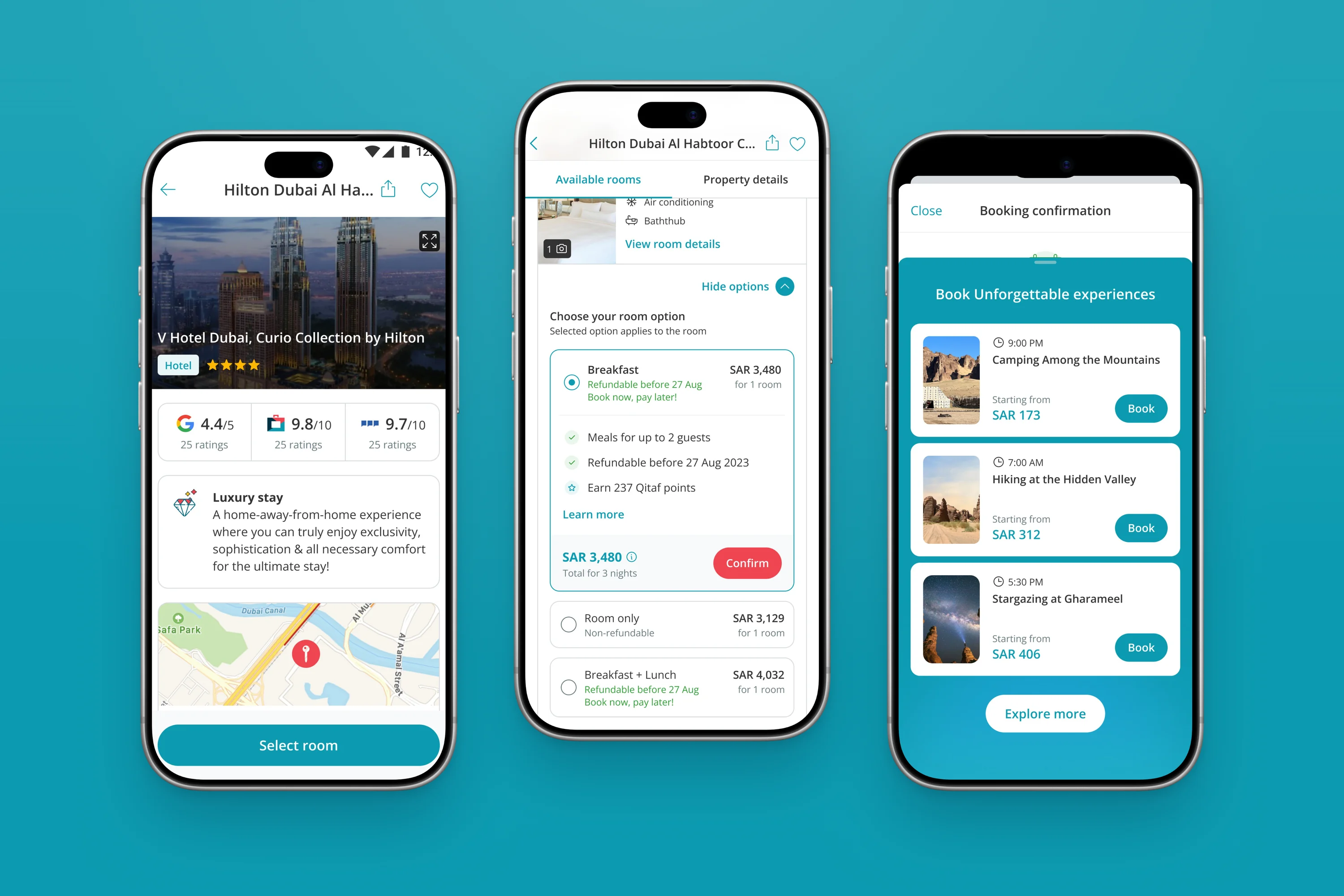
I started at Almosafer leading design for hotels, redesigning how customers find and book a stay. Over two years my remit grew to everything people book besides the flight. That meant hotels and apartments, activities, the add-ons sold with a booking, and Ad Solutions, our advertising product.
My team of UX and UI designers worked with the product and engineering teams for each area. I gave designers ownership of whole problems and regular feedback on how they were solving them.
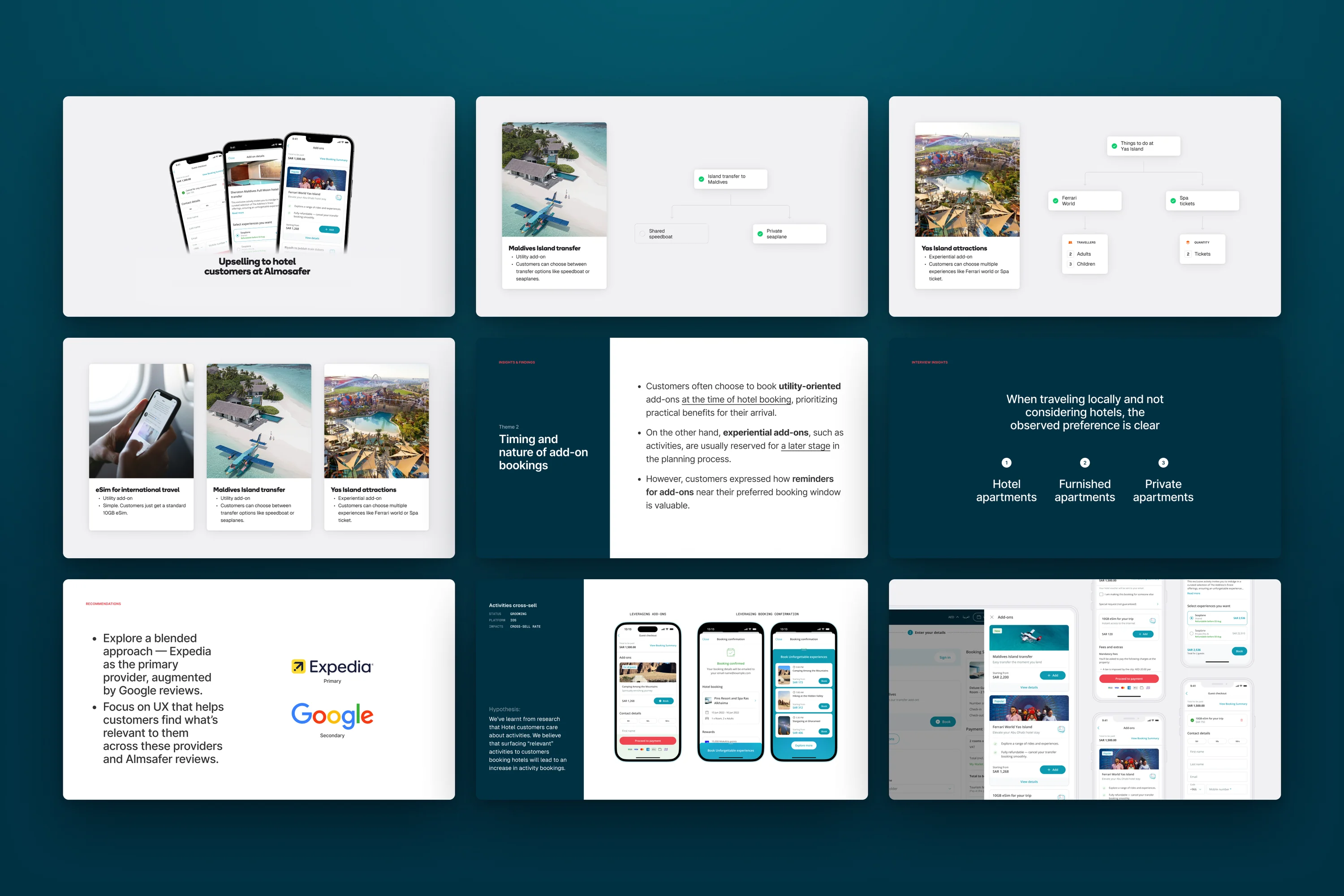
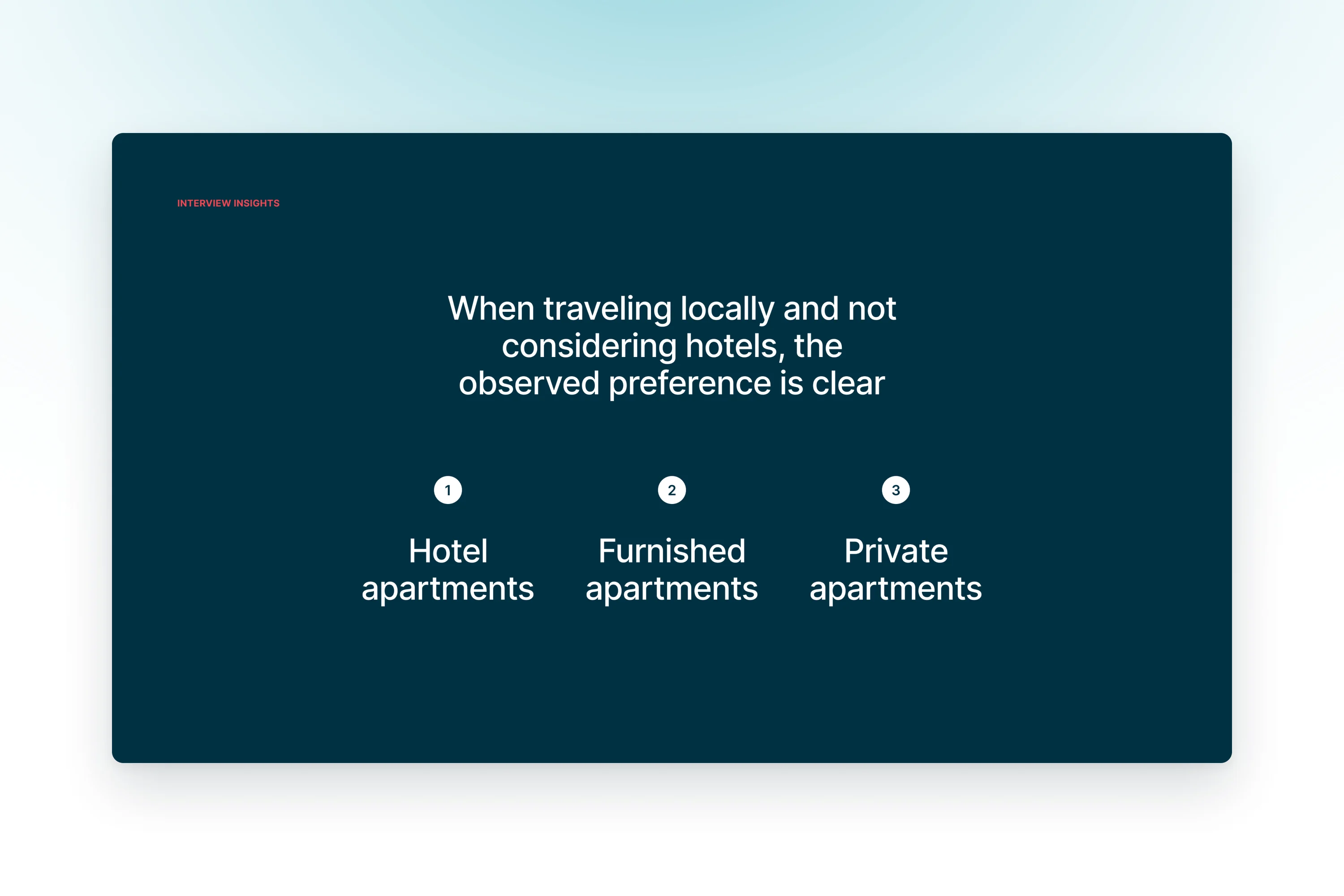
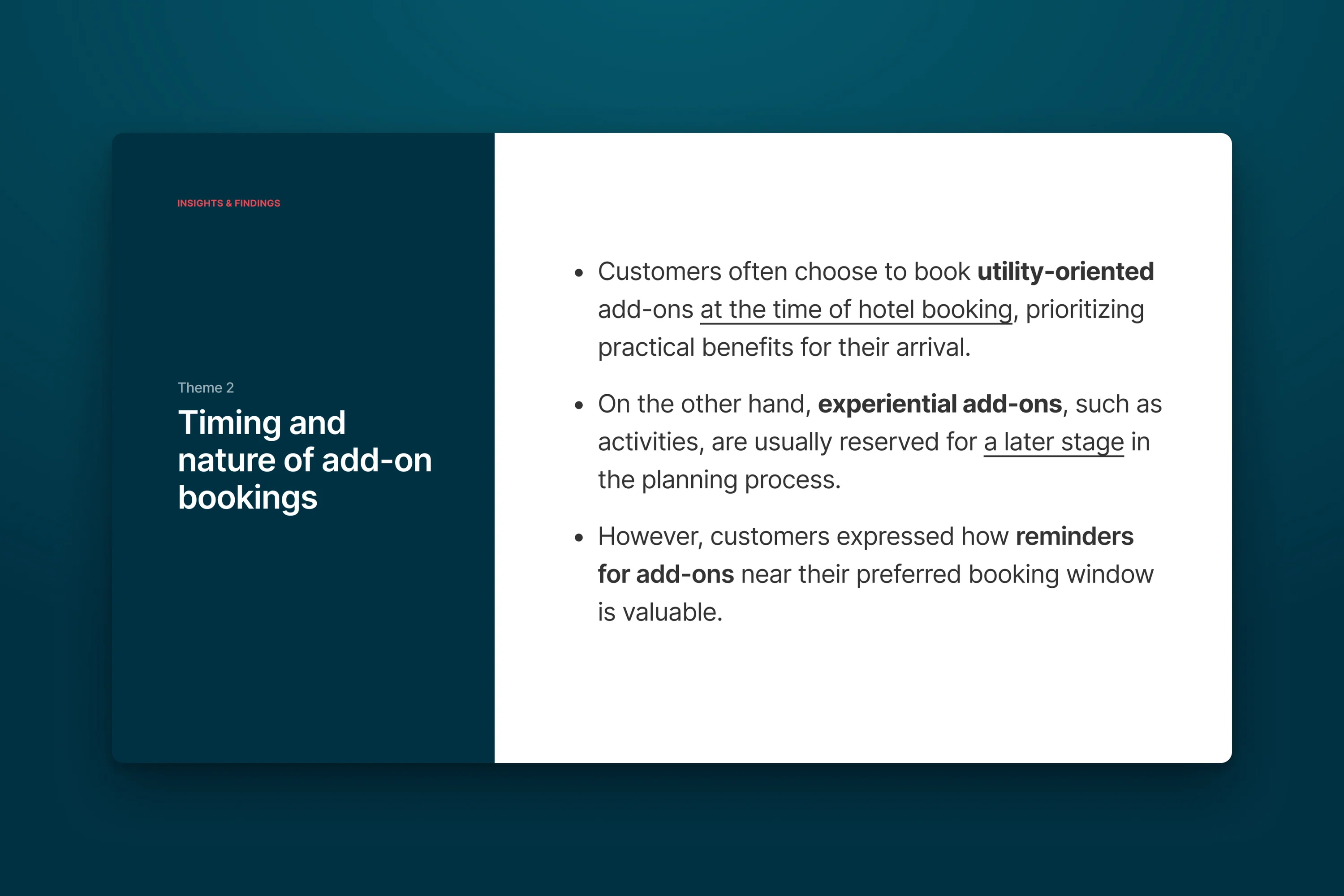
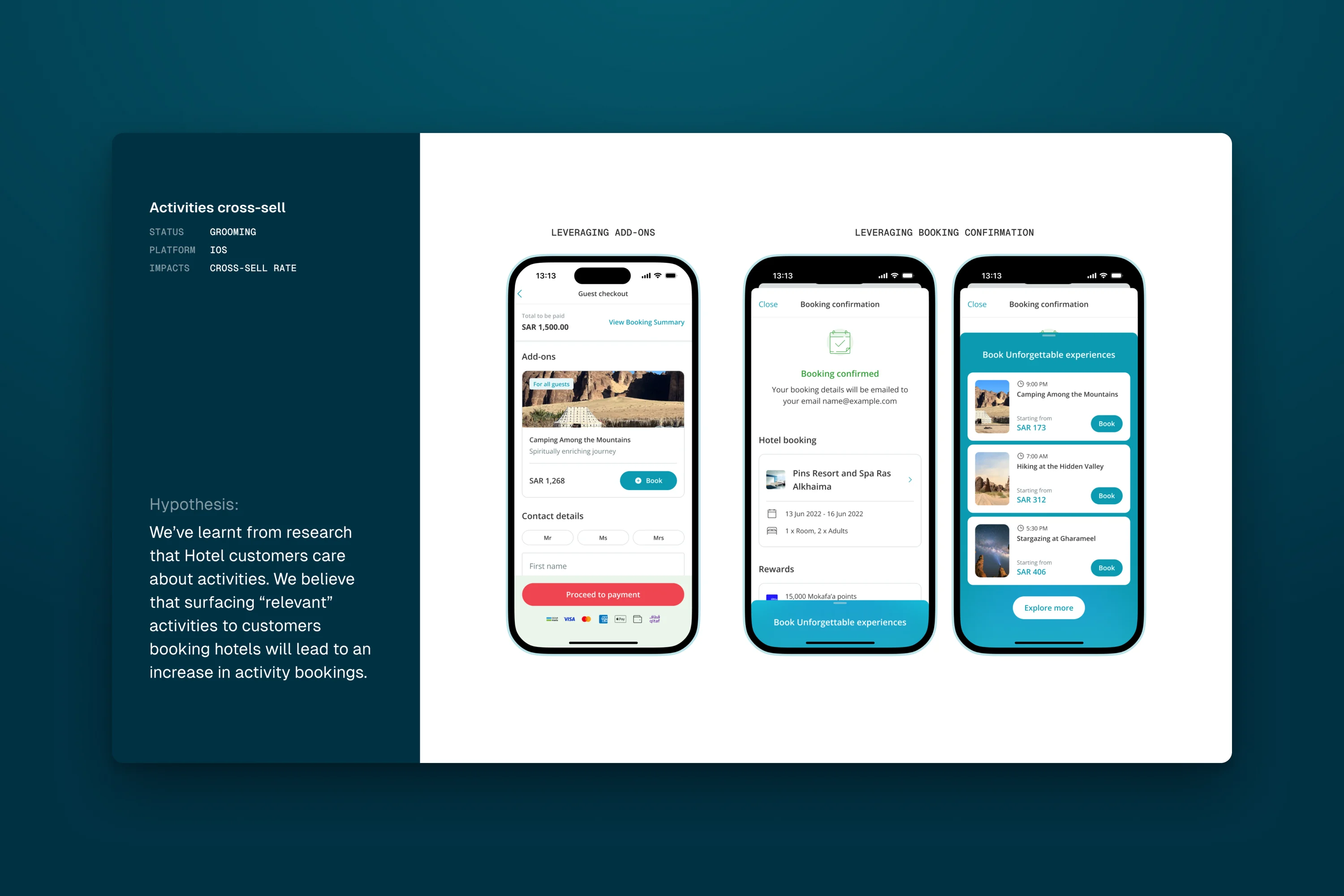
Research shaped where we went next. Our apartments research recommended bringing apartments into the same search as hotels, introduced through experiments because the two could compete for the same booking. Interviews on cross-sell showed which add-ons customers wanted, such as airport transfers, and that offers should come at different points in the trip.
Deciding with experiments
I introduced a regular experimentation practice across our non-air products. I wanted my team to know whether a change helped customers book, so every test started with a hypothesis and the result that would give us confidence. We ran more than 50 experiments in the first year, on the web and in the apps, and reviewed the results with product every two weeks to decide what to roll out.
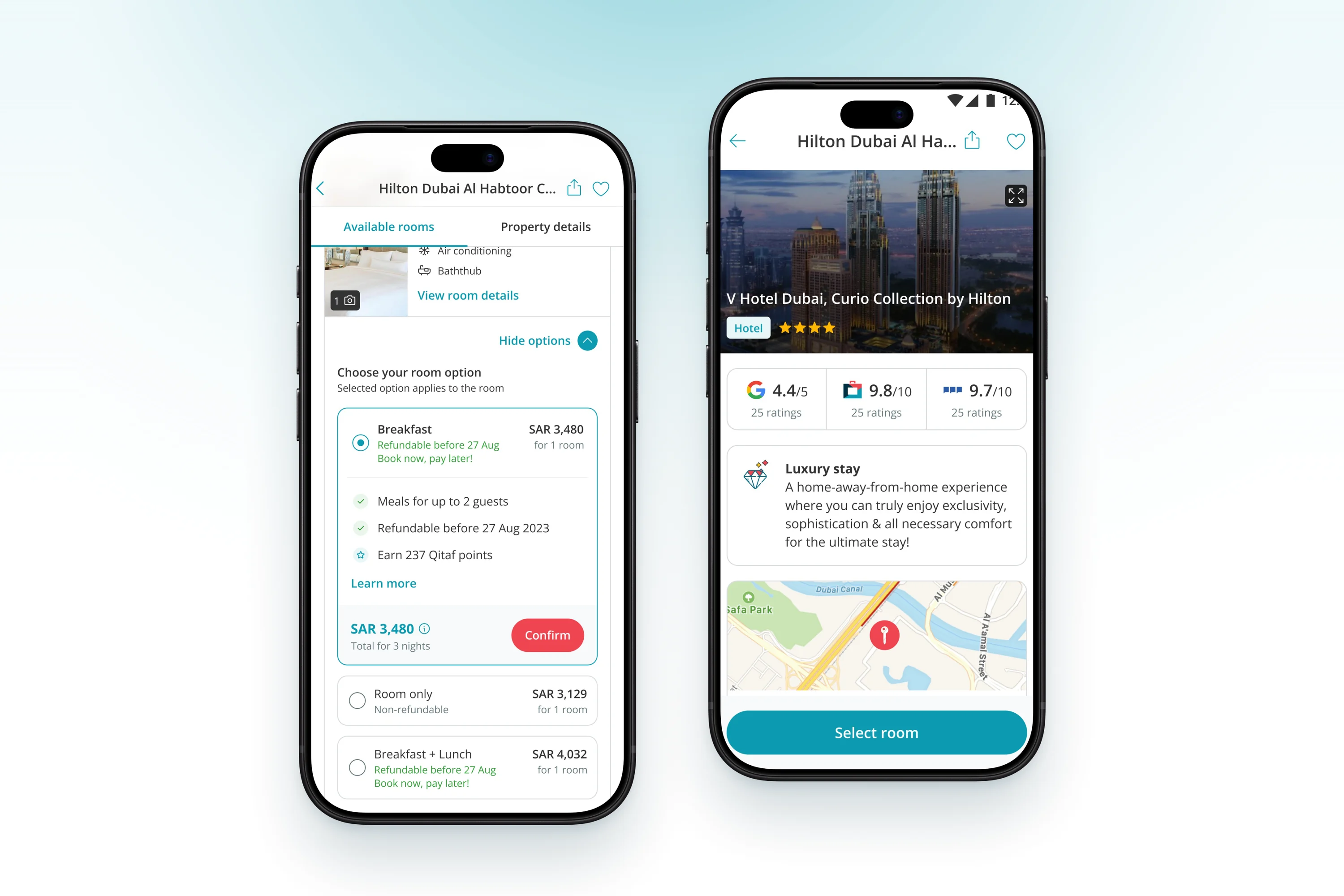
Room selection took three tries. The first version was the one we believed in. It simplified how room packages were laid out so customers could choose more easily, and fewer people went on to book. A second version lost as well. For the third, we stayed closer to how customers were used to choosing and kept the price differences between packages in view. That version won.
Search and choice
I led design for dynamic hotel ranking, which set the order hotels appeared in search results. It raised conversion by 11% and margin by 3%.
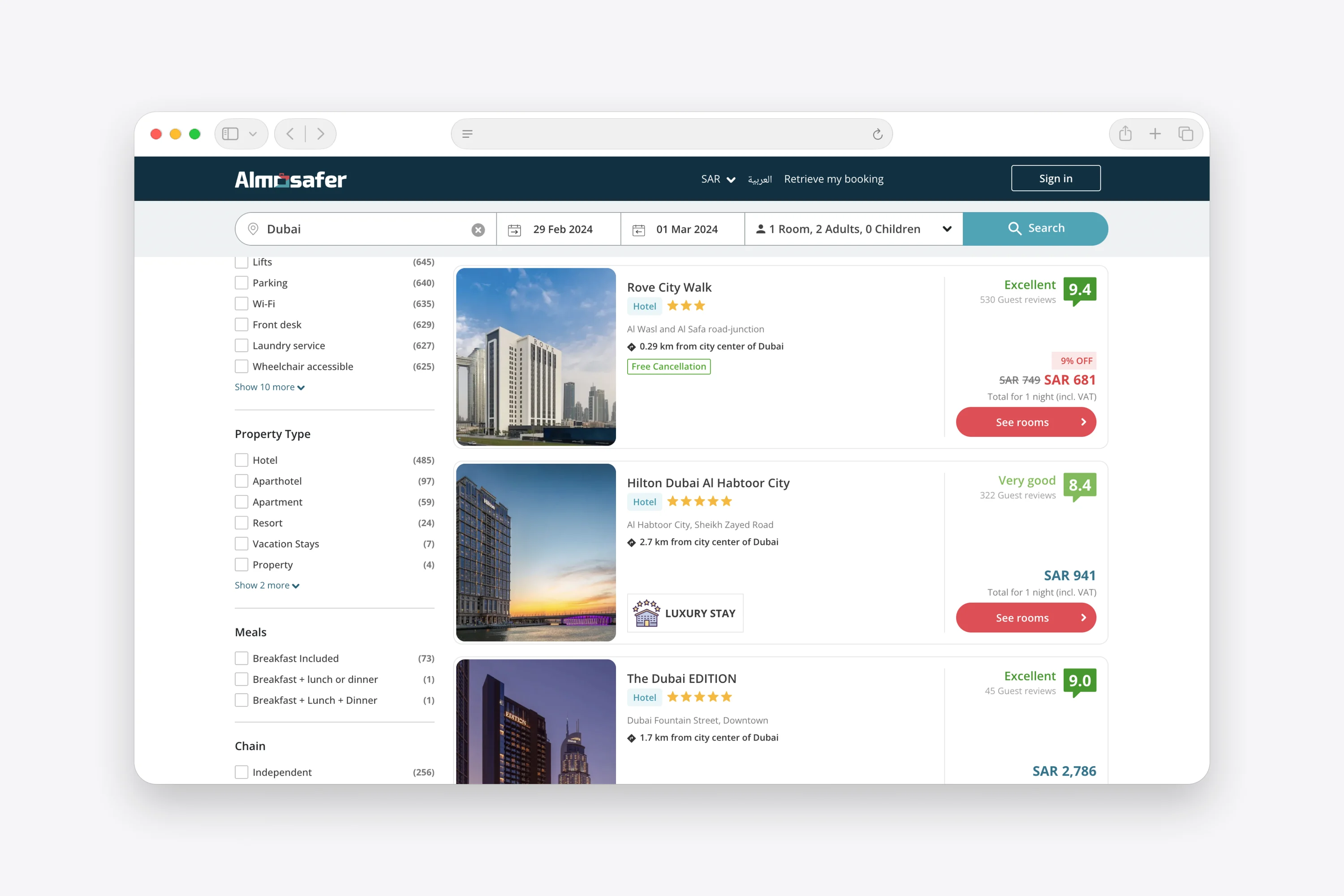
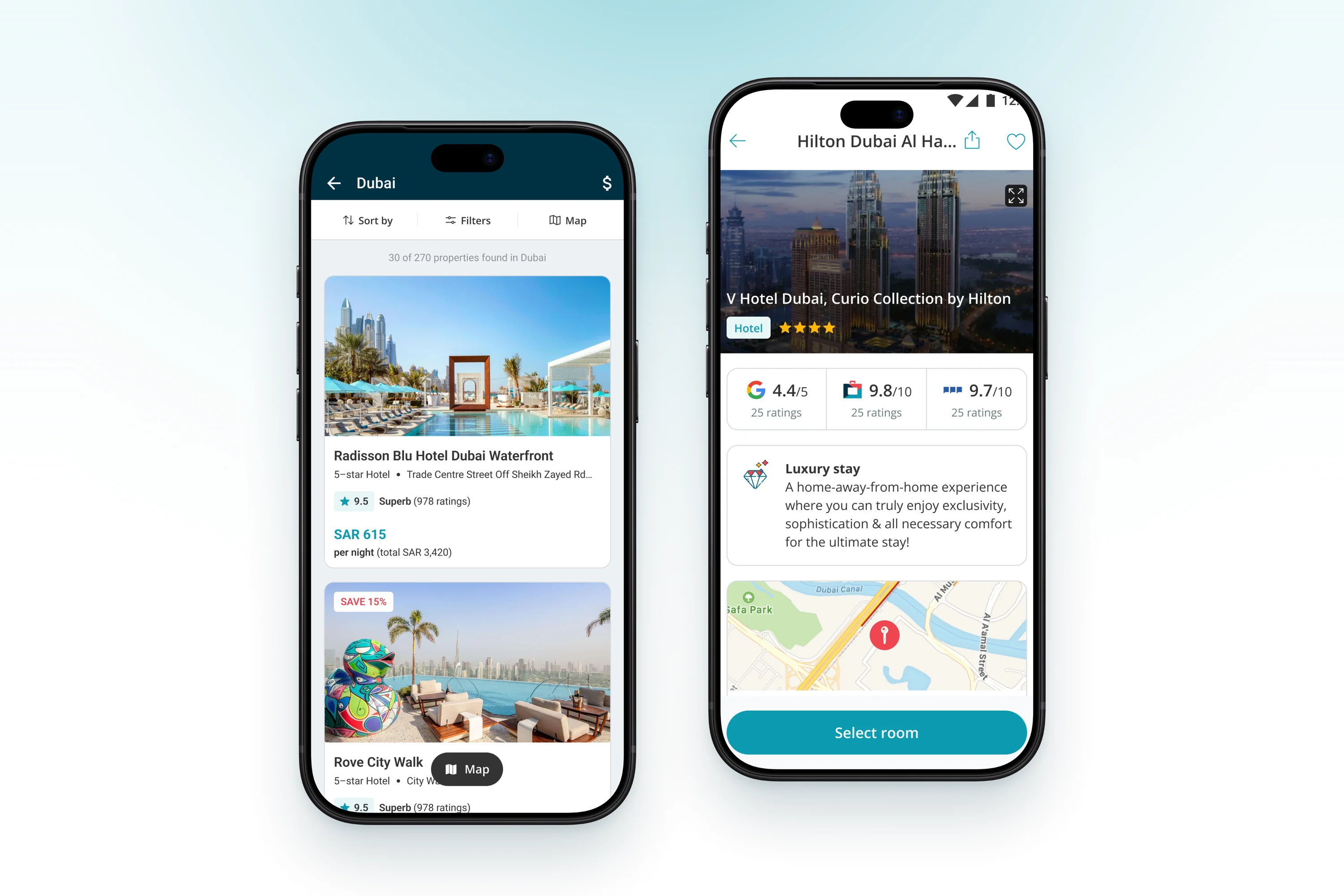
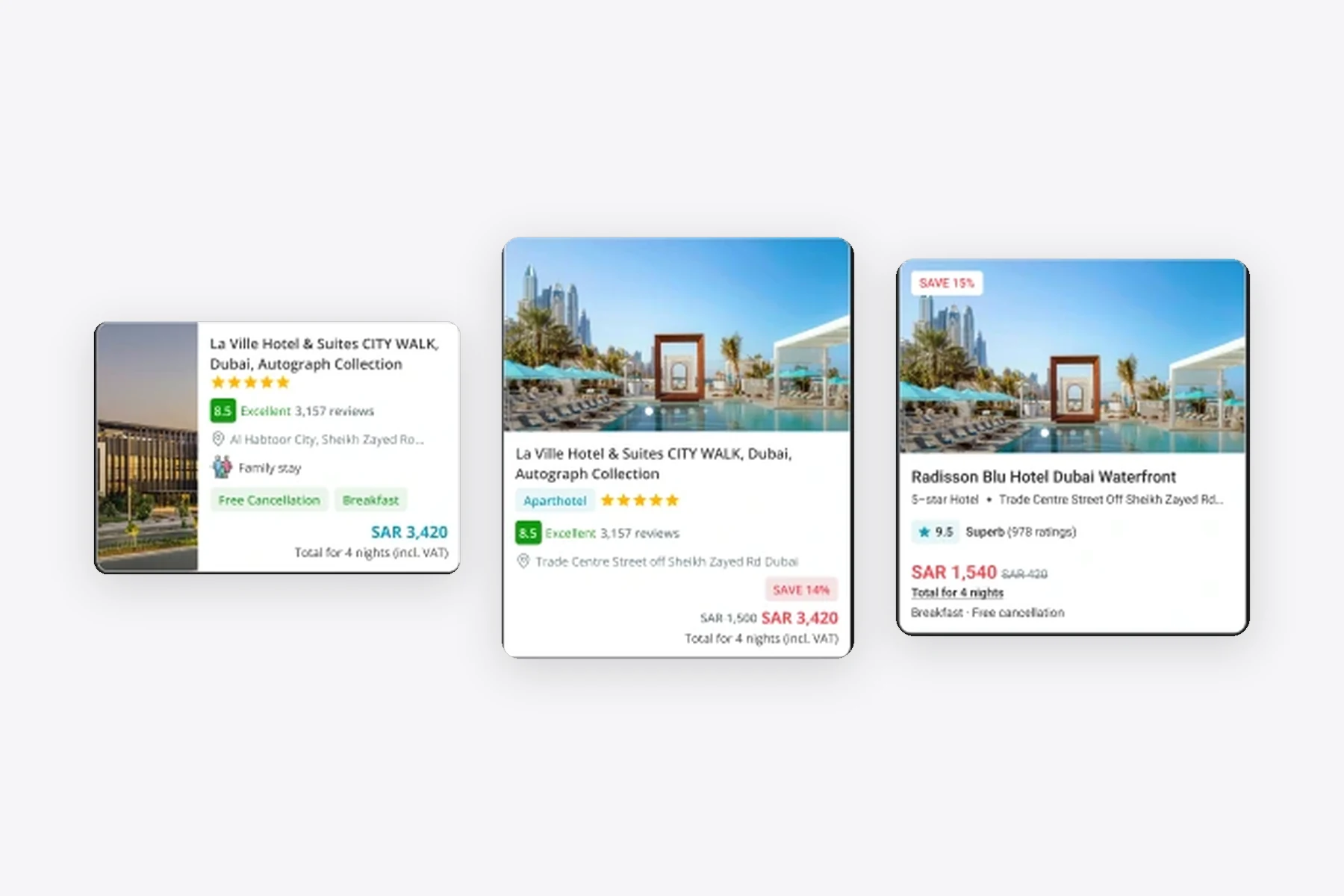
The hotel card had built up information and visual noise over years of new features. I ran a workshop with my team to redesign it, aiming for a card that could keep taking on new information. We separated changes to its layout from the price and rating treatments, so we could test which changes actually helped people choose.
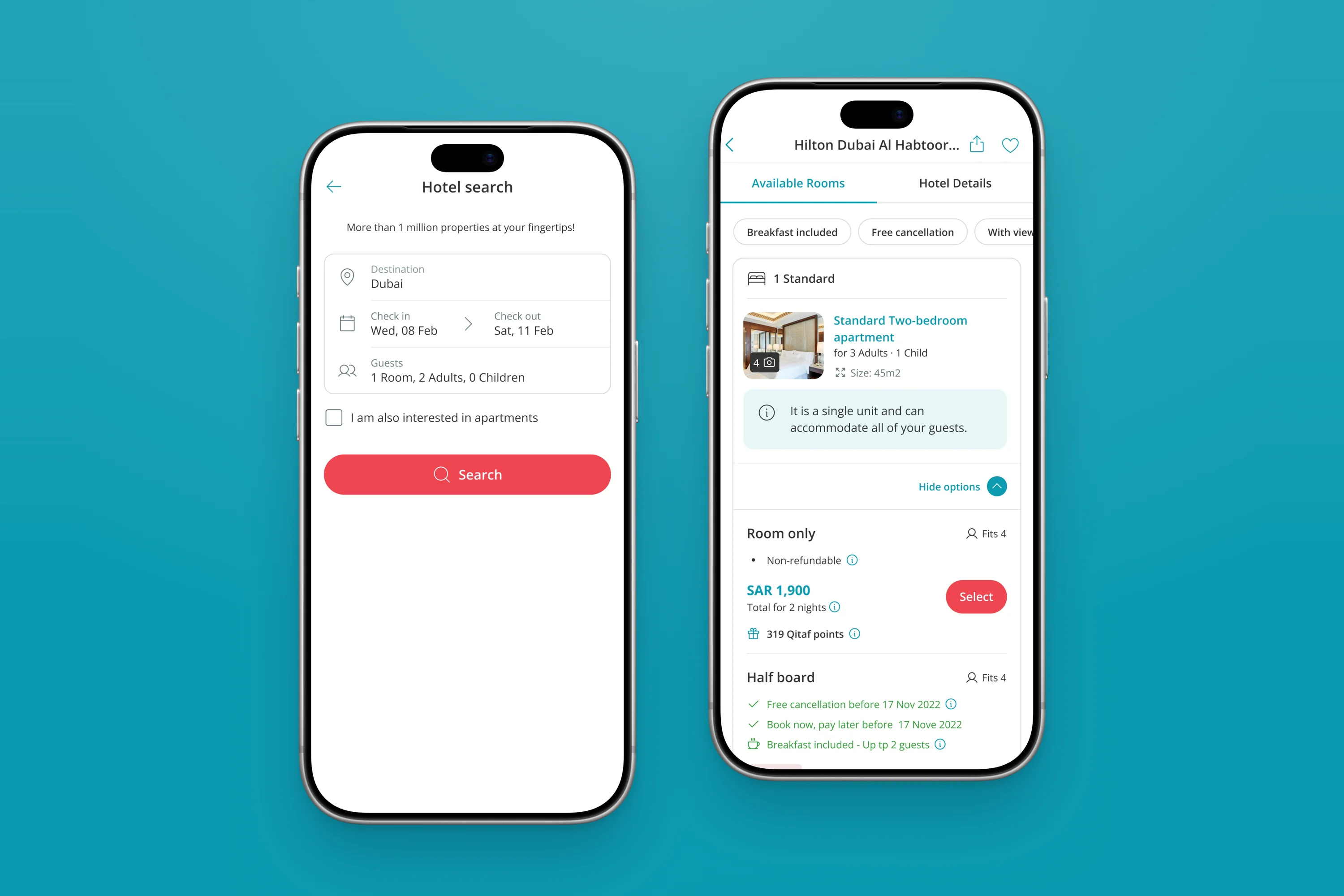
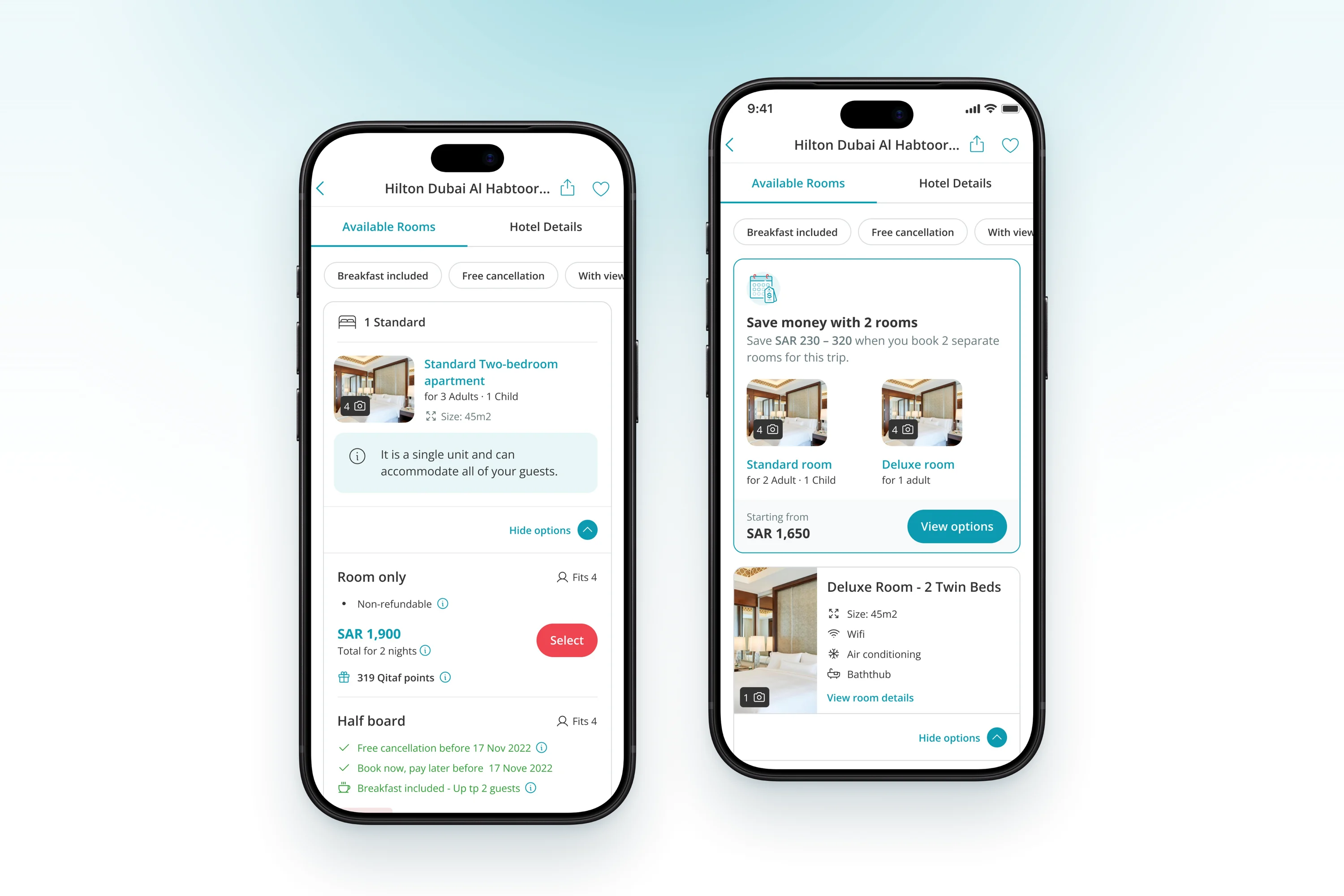
Customers travelling together were being asked to choose their room split before they knew the options or the prices. They could miss a unit that fitted everyone, or a cheaper pair of rooms. I worked with product and the team that integrates hotel suppliers to expand the combinations we searched. My team then made the alternatives understandable on the details page, showing why one unit fitted the group or what they would save with two rooms. In testing, the new search improved conversion at every step for those groups.
Trust in reviews
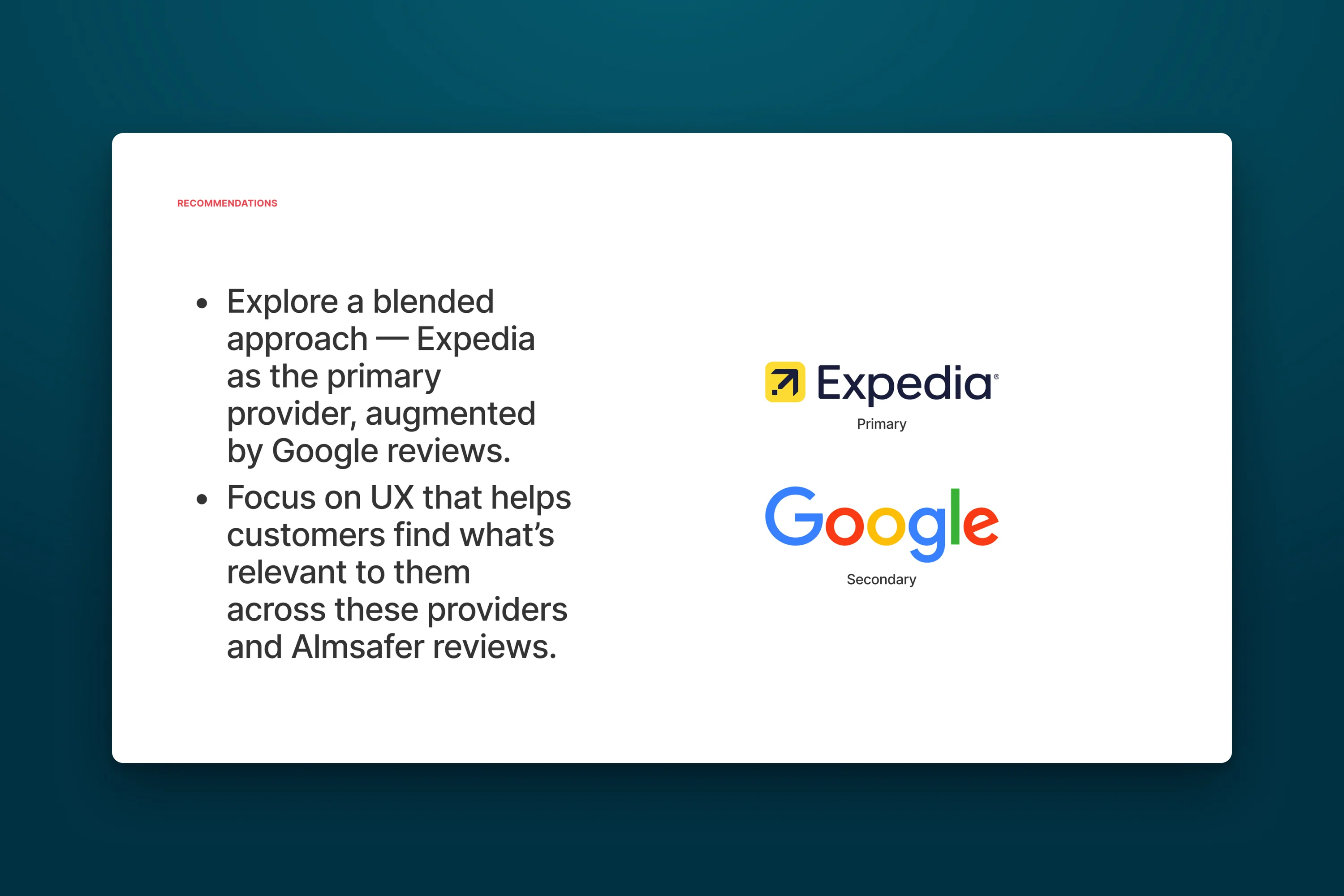
I led design for Almosafer Reviews. Our research found customers checked several review platforms before booking, and needed enough recent, relevant reviews to judge a hotel. We compared providers on coverage and volume. I recommended Expedia as the main source, supplemented by Google, over TripAdvisor, which had too few reviews for our hotels.
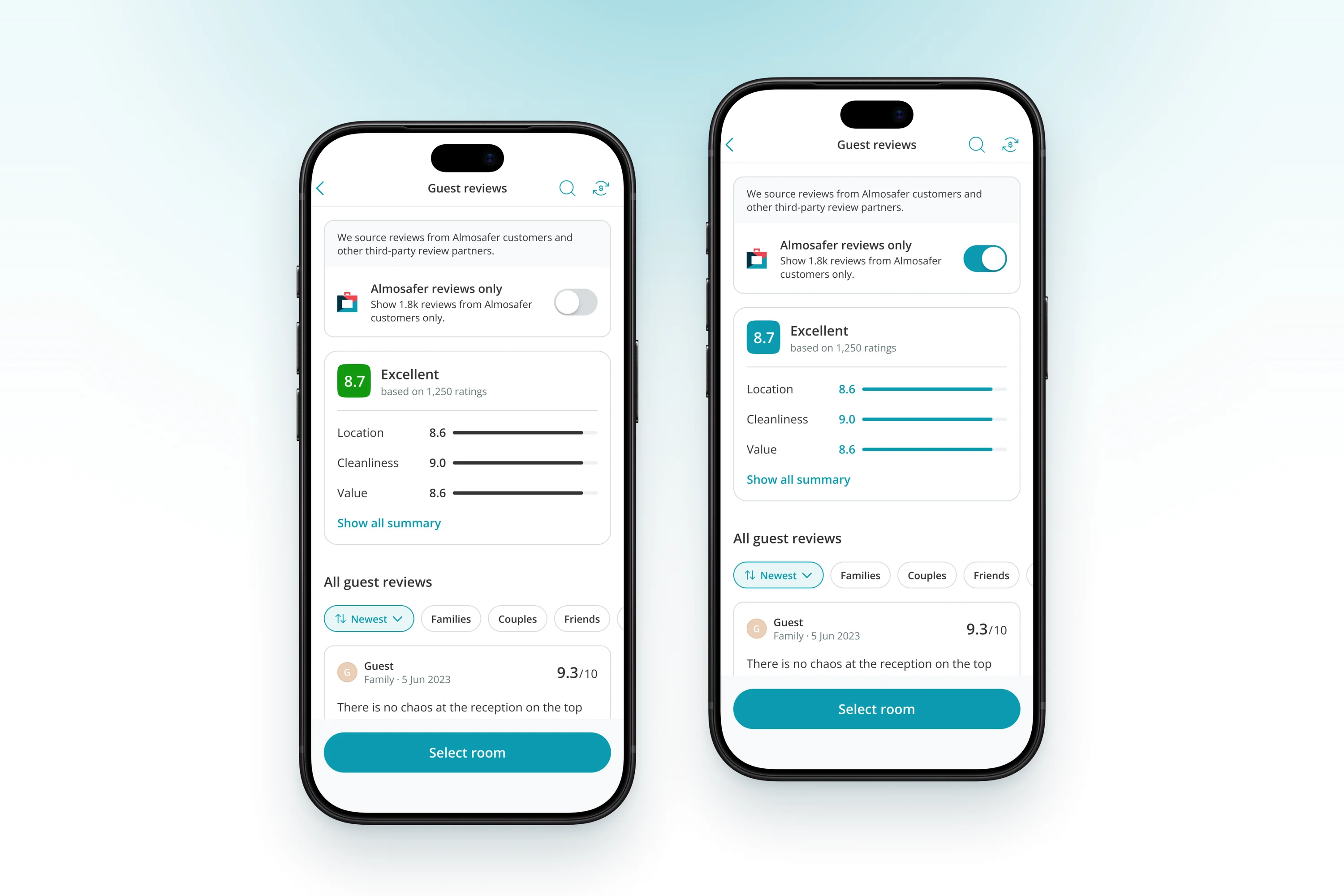
That decision shaped the experience my team designed. Almosafer and partner reviews appeared together, with the source of each one visible and ways to find reviews from similar travellers. We also redesigned how we asked guests to review their stay. Between 12% and 15% of stays were reviewed.
More from the same trip
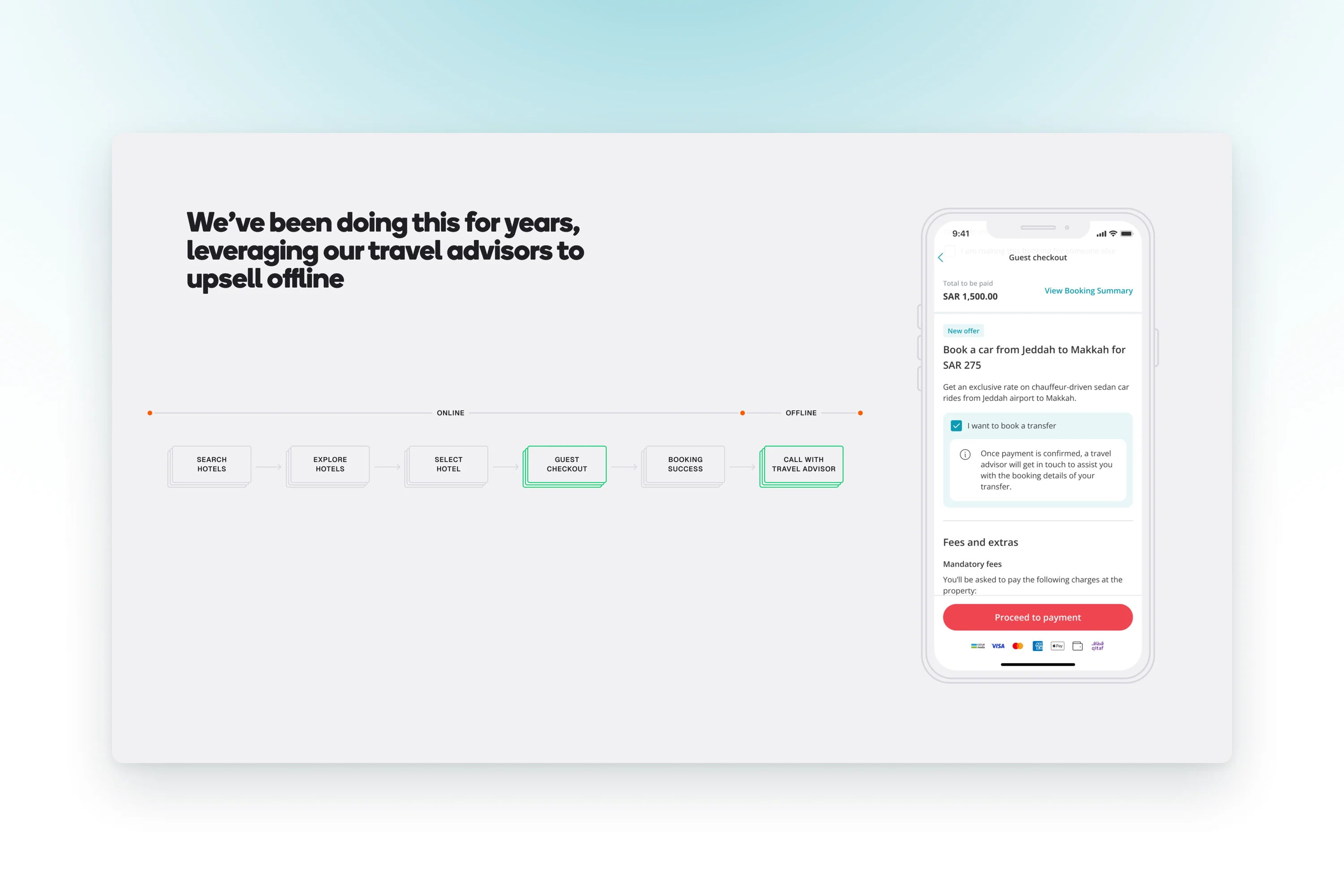
Booking a hotel online still left parts of the trip to arrange with a travel advisor. Advisors were selling those extra services offline, and the initial business request was to let customers pay for them through Almosafer.
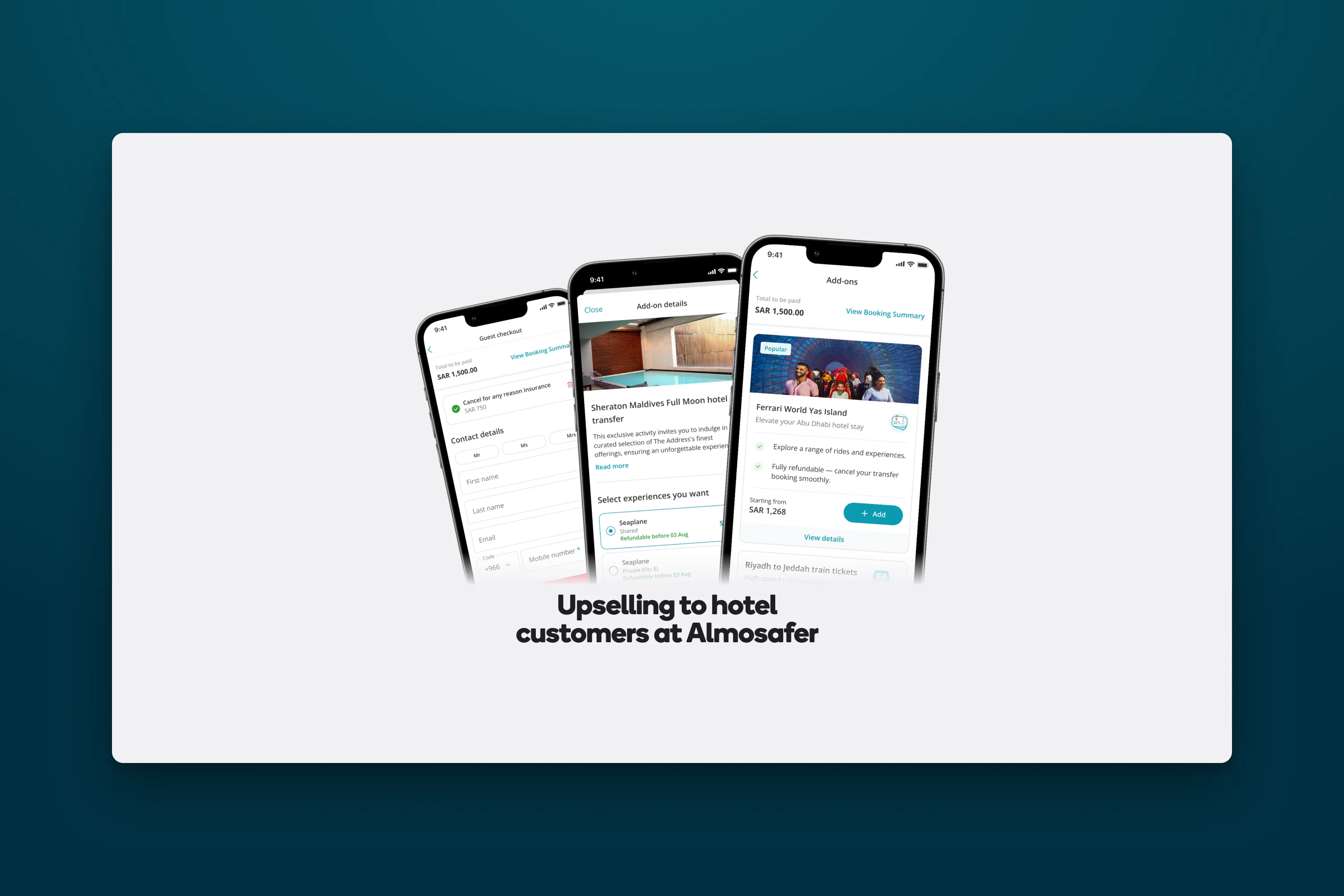
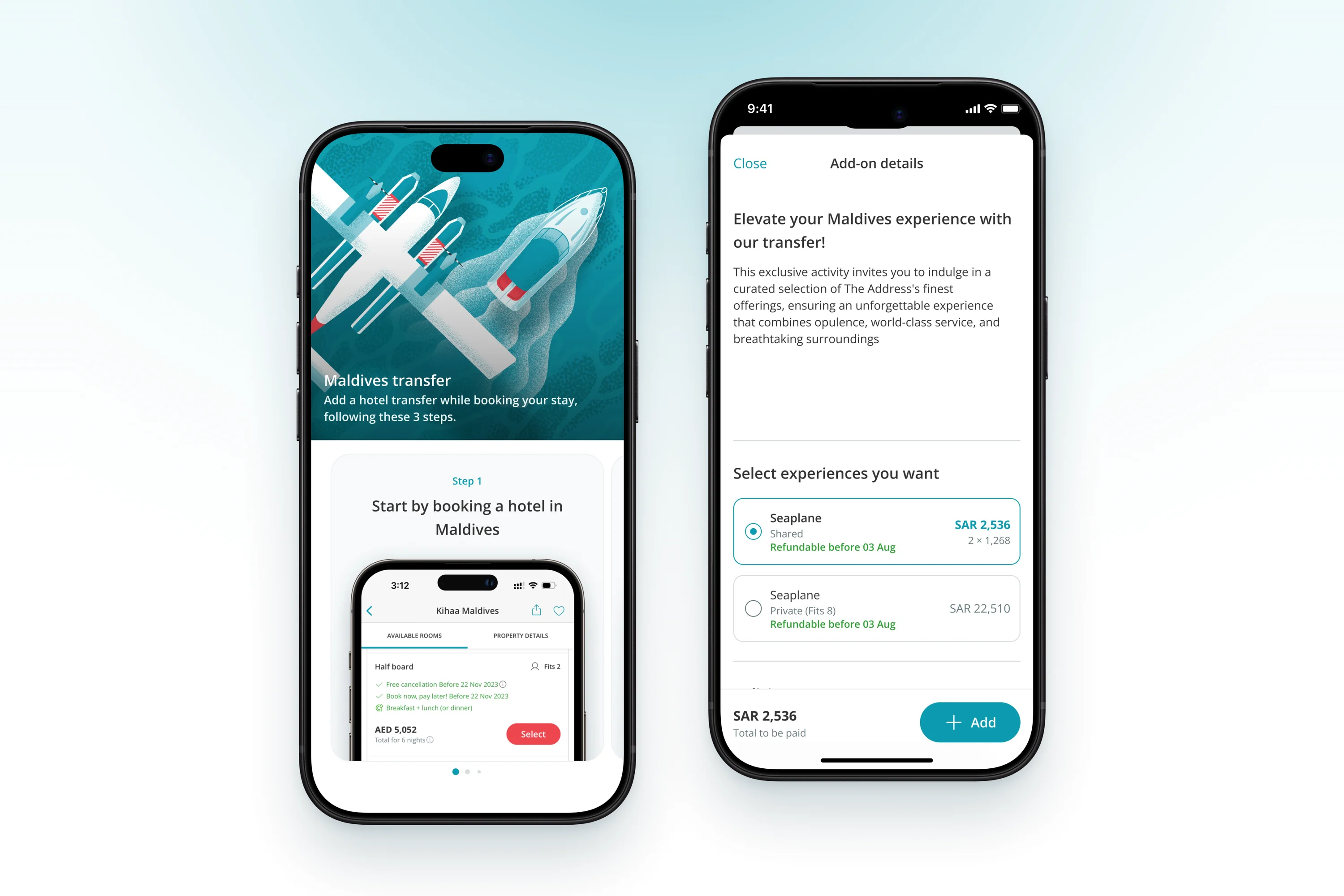
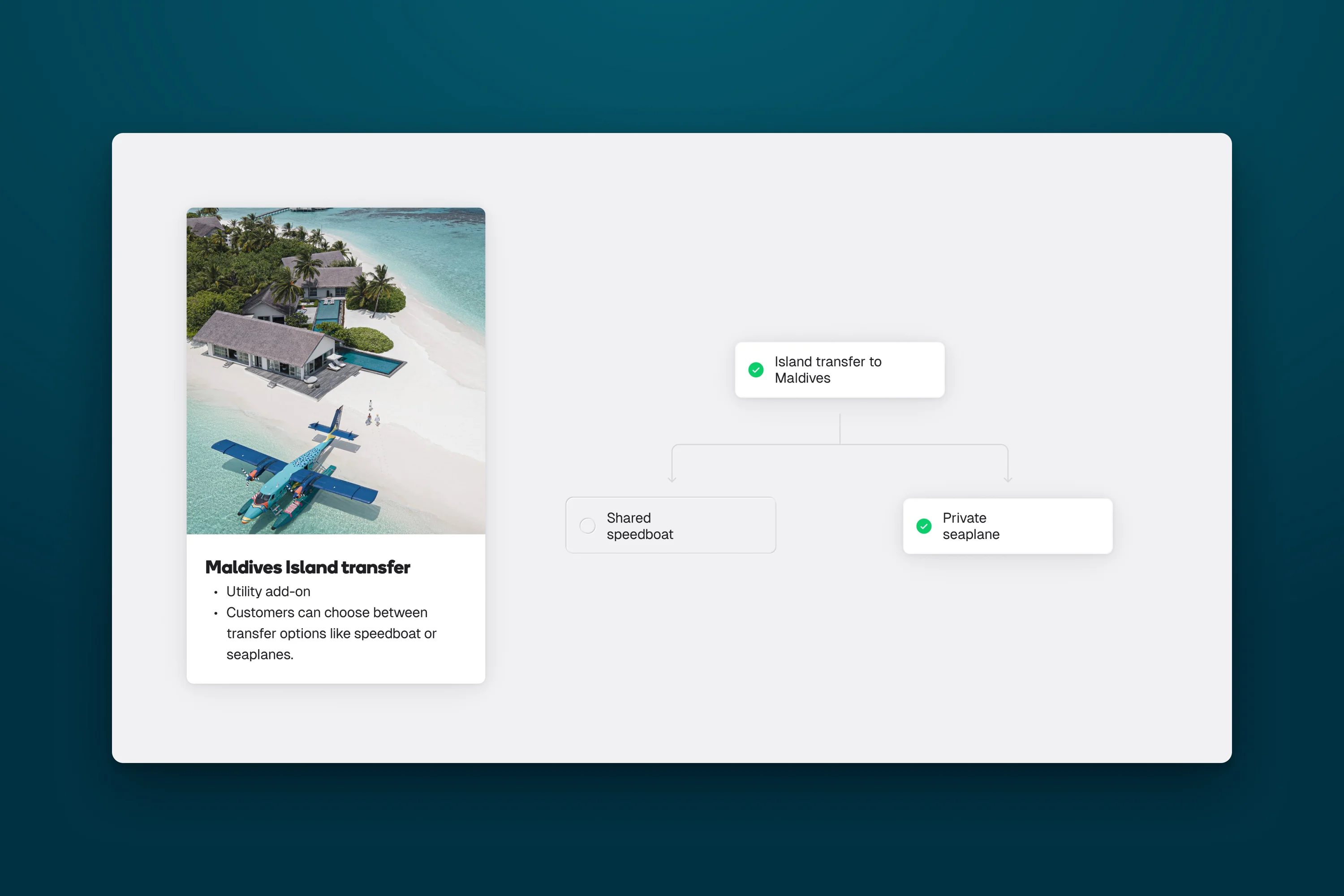
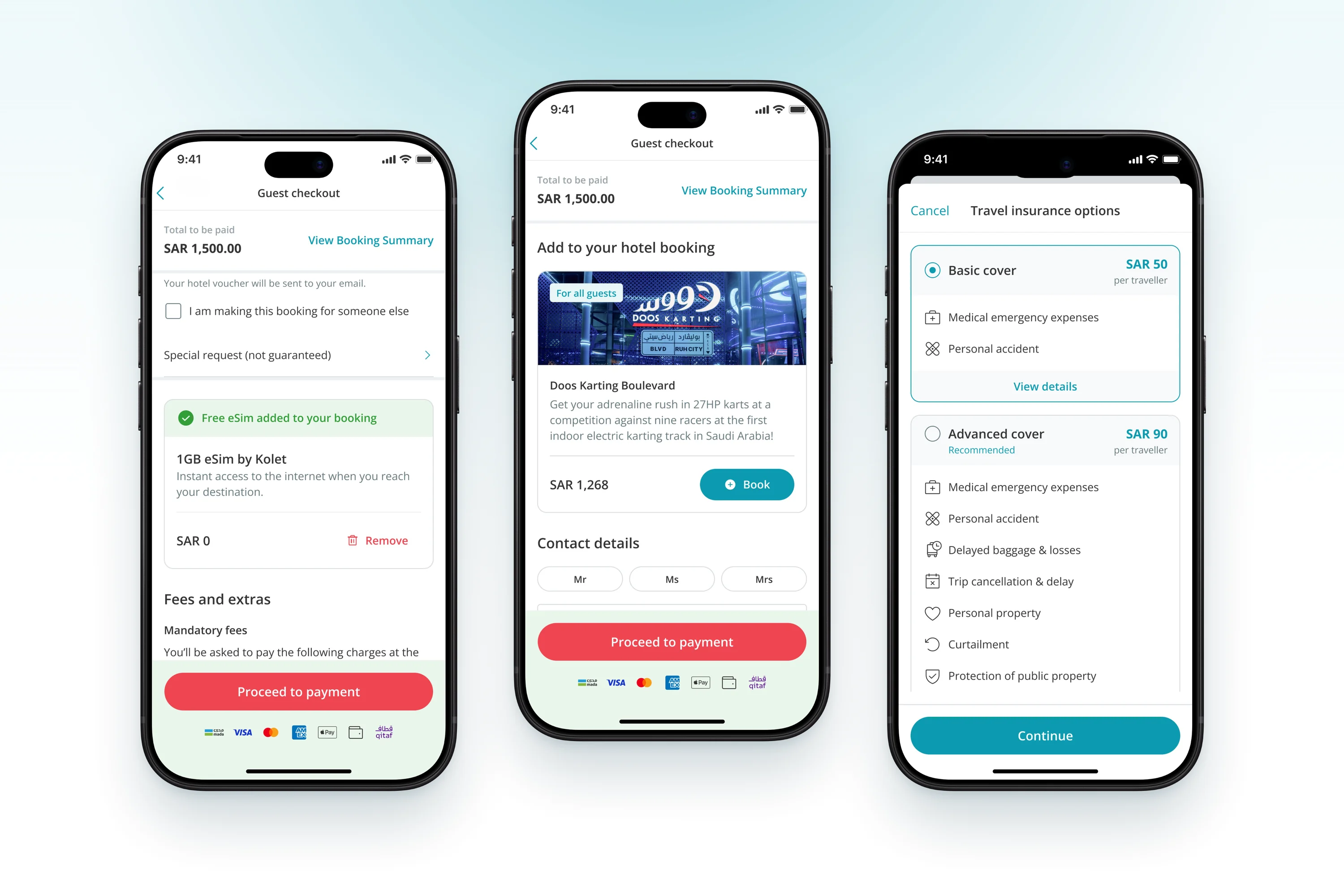
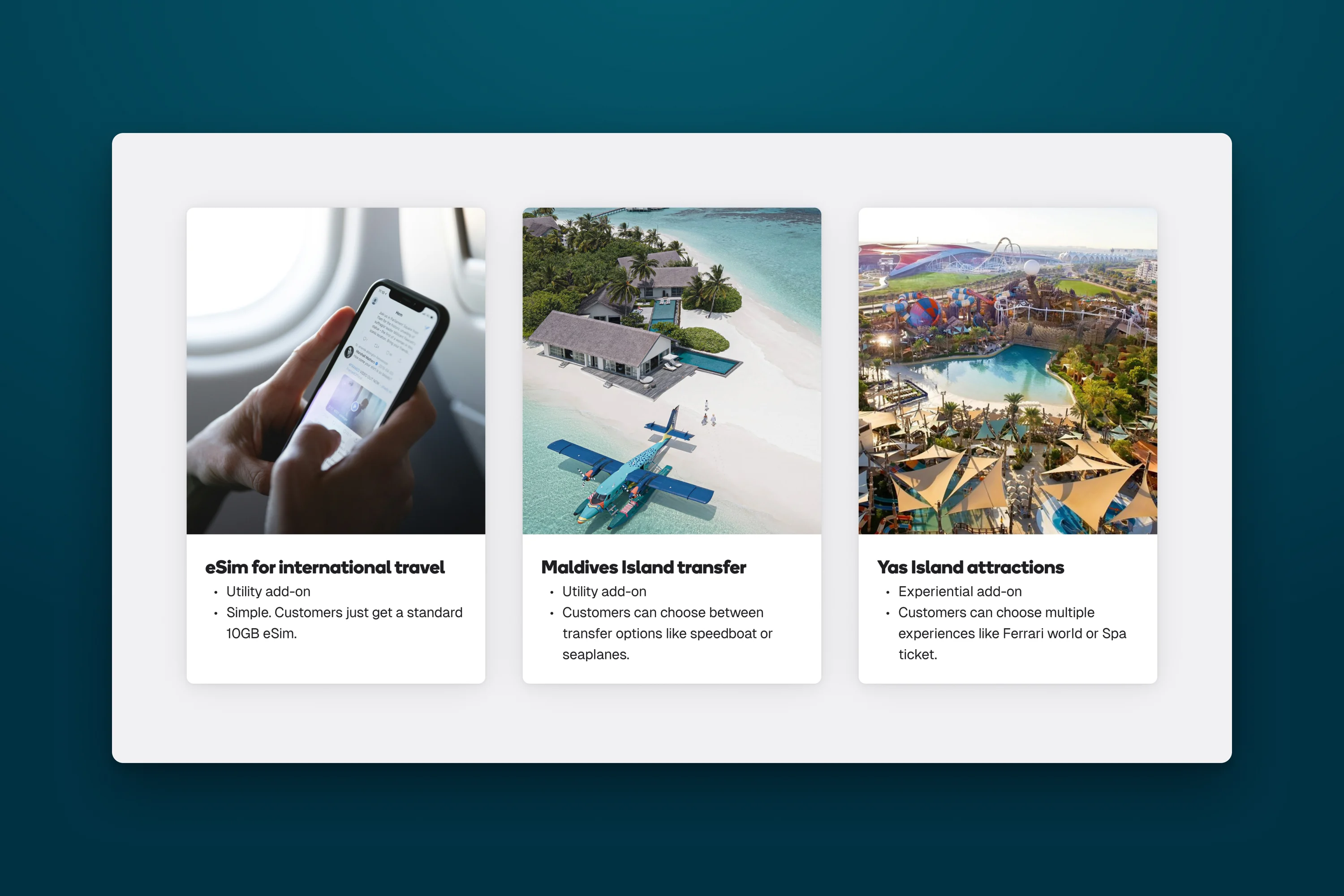
I saw a chance to make each new service quicker to launch, so I proposed a platform. I split the problem across my team, from where customers first saw an add-on to the details each service needed from the traveller. A transfer might offer a shared boat or a private seaplane. Activities could need several selections and guest quantities. We designed one selection model that could hold those differences.
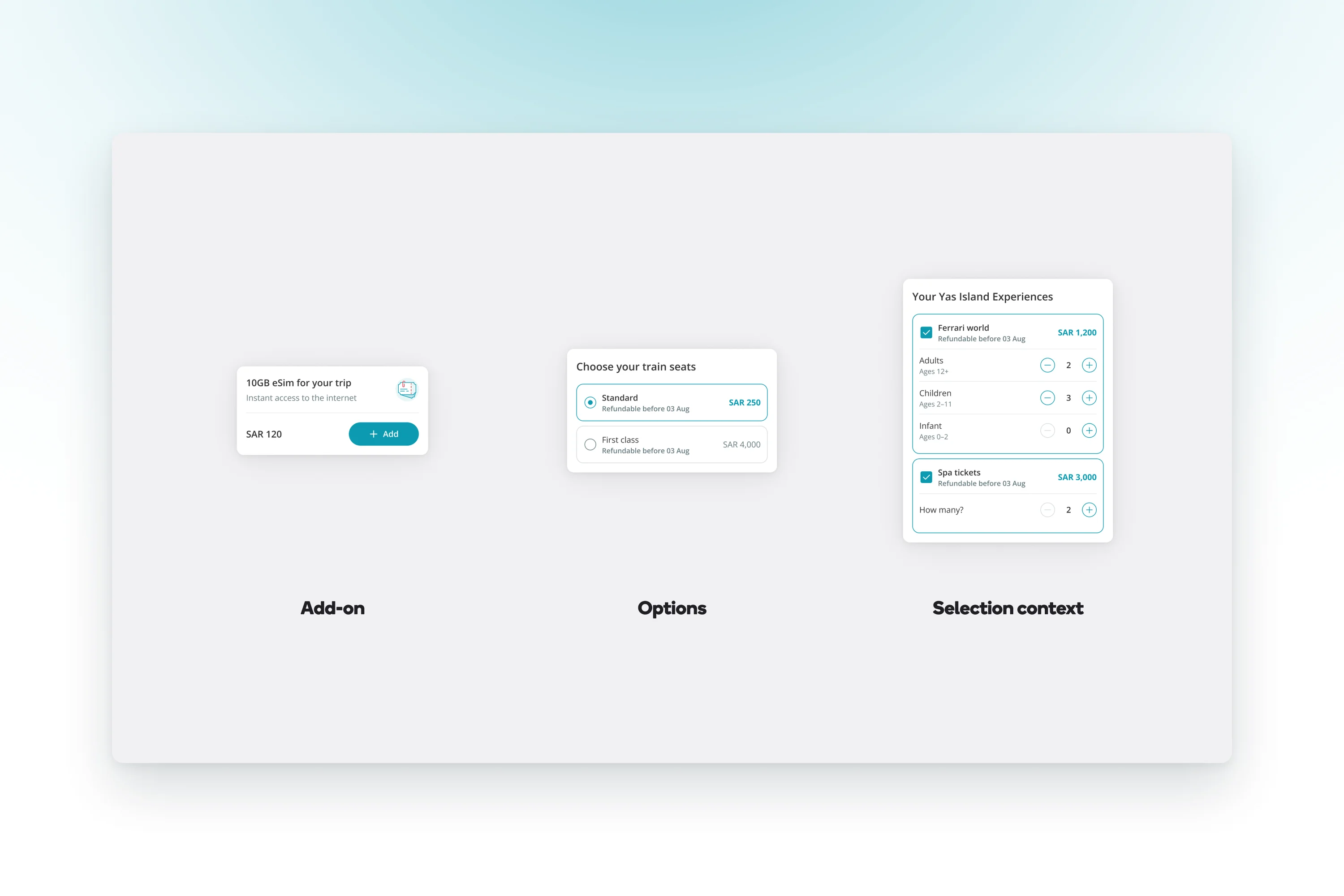
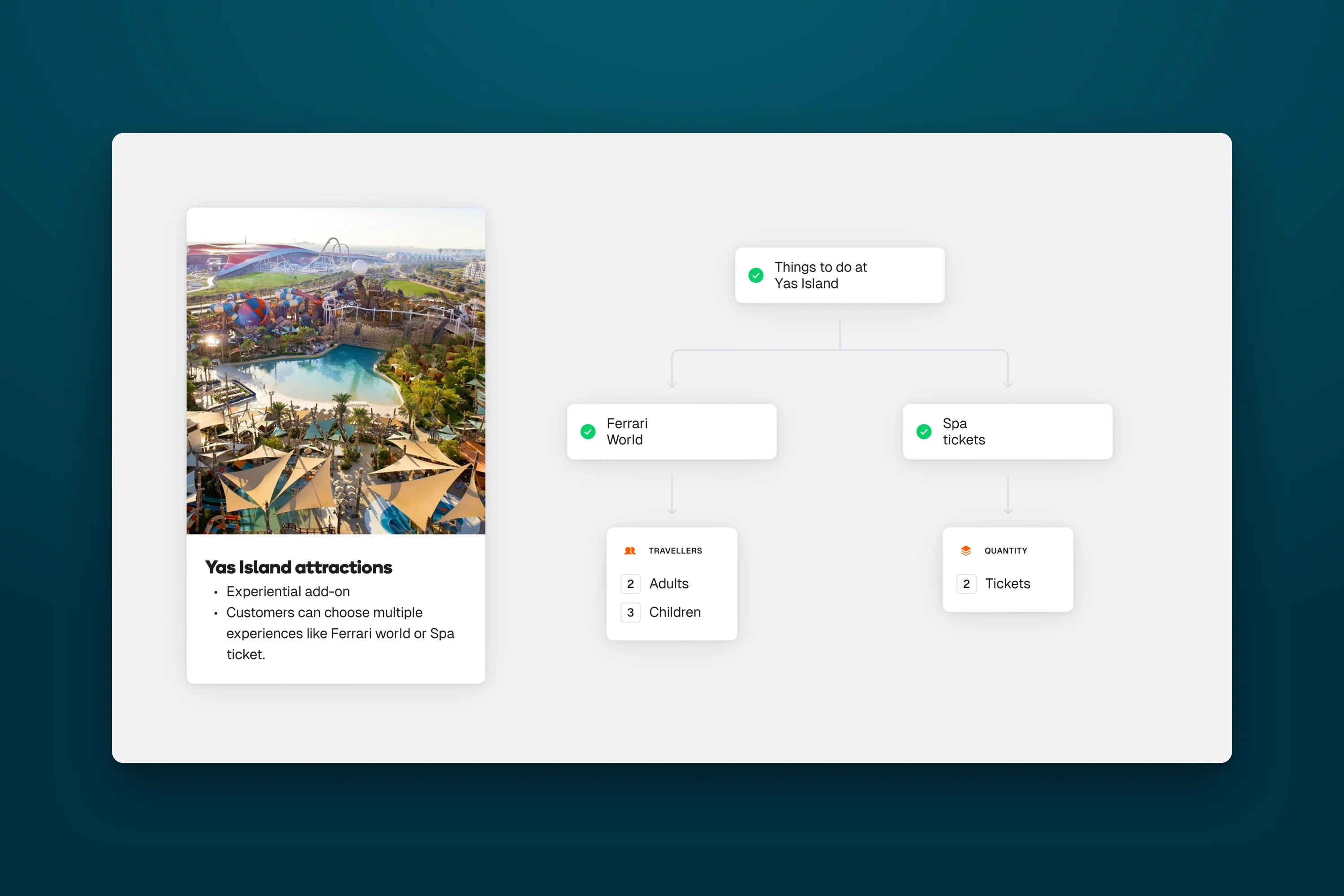
We launched with Maldives transfers, where getting from the airport to the island is part of booking the holiday. Transfer content and pricing were inconsistent, so I limited the first launch to the most-booked hotels and the common speedboat and seaplane options, with advisors handling the rest. Maldives transfers reached a 19% attachment rate.
The same model then brought eSIMs, activities, train tickets and travel insurance into the booking, and a new add-on could go live within 48 hours.
I also led design for Ad Solutions, Almosafer’s advertising product, which brought in more than $500K in its first six months.